20 August, 2026
From tradition to transformation in Mexico: taking time for reflection, conversation, and healing
Issues Affecting Women Programme / Partner story
Image © Hispanics in Philanthropy
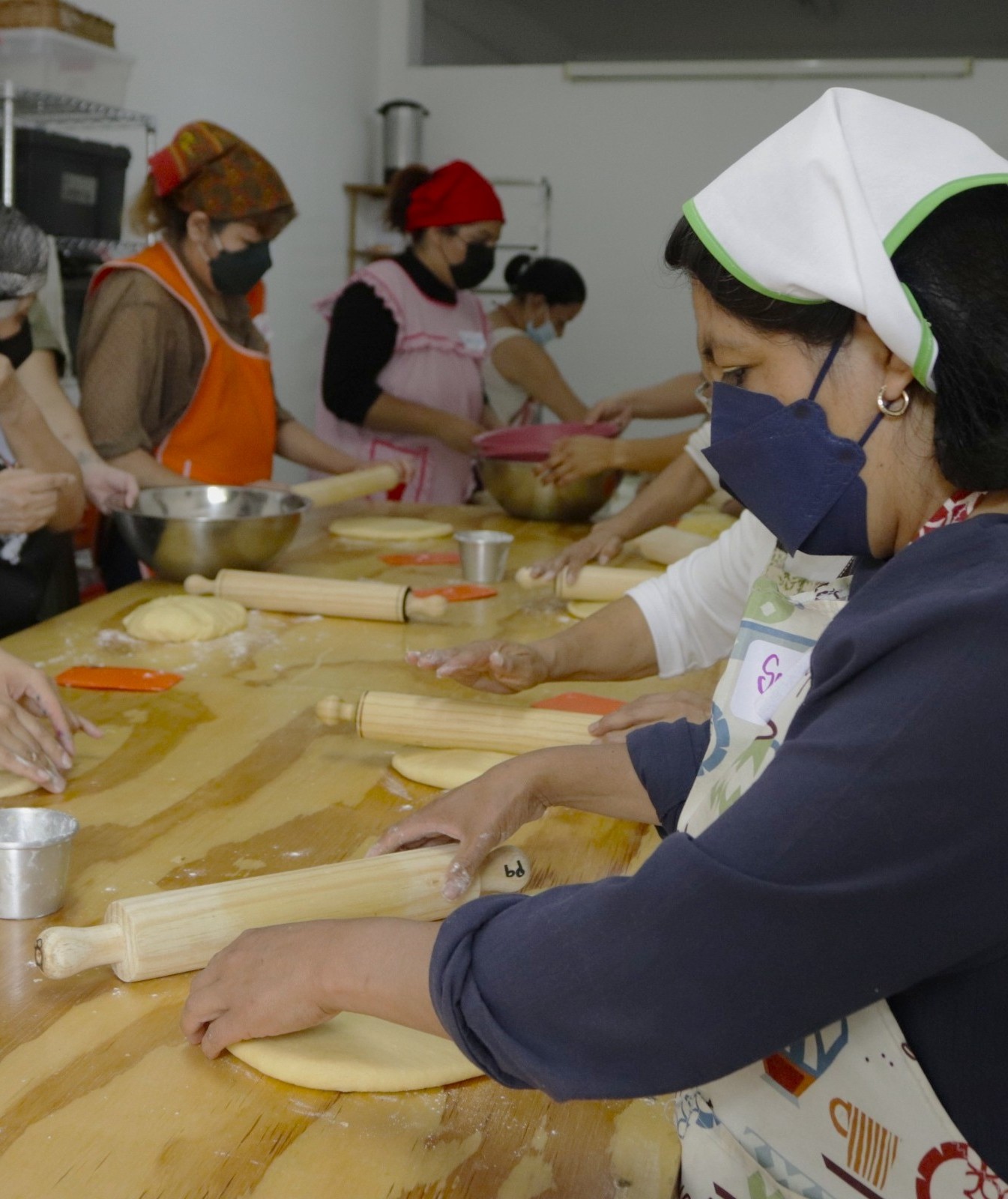
Sugar, eggs, milk, butter, flour – plus friends, feminism, and a group of psychologists. These are the unlikely ingredients behind Las Panas, a women’s collective in Mexico City’s historic La Merced neighbourhood. The team at Las Panas use the simple art of baking as a tool to support women who have experienced gender-based violence. Together in the Las Panas workshop, the women knead dough and share stories while learning to make conchas, ciabatta, cinnamon rolls, pizza, and more. They also engage in individual therapy sessions and group conversations on topics such as self- knowledge and economic security. Psychologists Rosalía Trujano and Alicia Salgado support the women’s emotional recovery. “Baking bread provides a platform to talk about violence, to name it, and to imagine ways out of it,” says Rosalía. The therapy sessions unfold during the natural pauses that bread-making allows – waiting for dough to rise, for instance, becomes time for reflection, conversation, and healing.
In addition, Las Panas connects participants to internships in other bakeries and community cafés that respect labour rights. The organisation also runs its own small café and bakery, generating income to help sustain its programmes and creating pathways to employment opportunities for the women. So far, Las Panas has reached and supported more than 700 women with this approach.
These types of initiatives are much needed in Mexico. According to Amnesty International and IPAS, violent deaths of over 3,400 of women were registered in Mexico in 2024.1 The country also faces some of the highest numbers of missing persons in the world: currently, over 130,000 people in Mexico are missing,2 and the percentage of women among these has been growing at alarming rates. In addition, thousands of women and children in Mexico face domestic violence.
The work of Las Panas is just one example of the many innovative approaches to reaching women who have experienced violence in Mexico. Throughout the country, women-led civil society organisations are working across both urban and rural areas, from Ciudad Juárez on the northern border to Mérida in the southeast, to bring pillars of hope and renewal into communities.
Indeed, women-led not-for-profit organisations are helping to: reshape public discourse around gender-based violence; improve legal responses to violence against women; and build reliable support services for women and girls. Their work takes many forms – from psychological support to pioneering mechanisms to promote women’s safety online.
Together these organisations are weaving care with and for women into the fabric of everyday life. Read on to find out more about our grantees’ efforts to support women in Mexico.
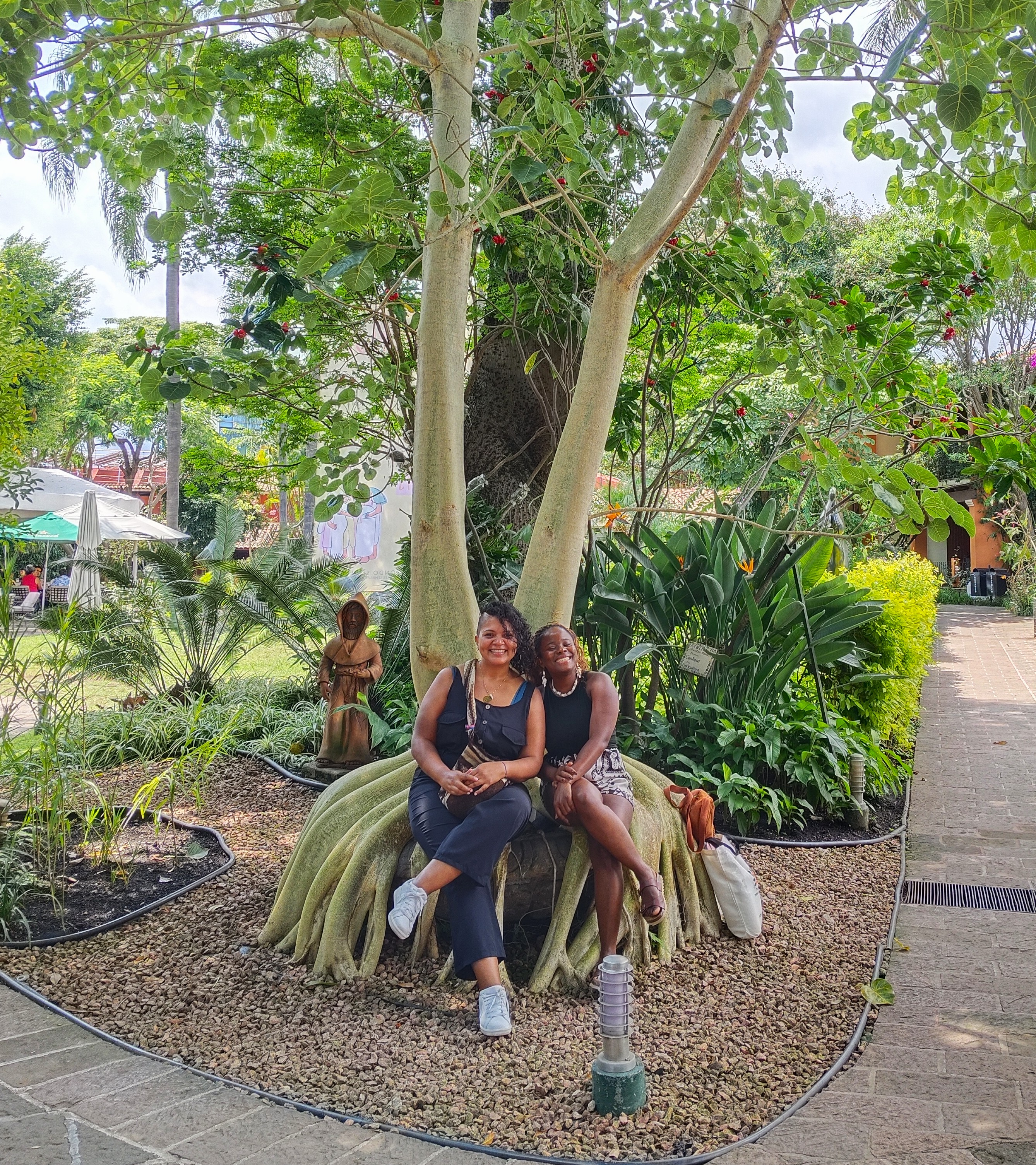
Iniciativa Mesoamericana de Defensoras de Derechos Humanos (IM-Defensoras) is a network of feminist organisations across Central America that supports women who defend human rights and face threats because of their work. It documents attacks against them and helps them heal. The network emphasises the importance of caring for both individuals and groups and values different approaches to protecting defenders.
Casa La Serena is one of its respite houses for women defenders in Mexico. Over the past decade, more than 450 women defenders – journalists, community communicators, environmentalists, and others – have passed through the doors of Casa La Serena to attend week-long residency programmes.
These programmes combine personalised care plans with collective learning and exchange processes. Art, leisure activities, workshops, and even nutrition plans are integrated as healing practices, fostering rest, joy, and social connection as essential elements of care. “I have learned that care is not a privilege – it’s a necessity,” says one Mexican human rights defender. “It sustains our work and our lives.”
Aluna Acompañamiento Psicosocial supports women human rights defenders, journalists, and women who have been forcibly displaced due to violence, poverty, or climate disasters. It recognises that people engaged in social work often experience trauma, fear, isolation, and discouragement.
Aluna’s work spans multiple countries in Latin America, where it seeks to address trauma, build collective memory, and heal organisational and community relationships to allow defenders to envision a hopeful future. “We seek to develop more comprehensive coping mechanisms from security and psychosocial perspectives,” says executive director Clemencia Correa. “Our goal is to strengthen the social fabric through shared spaces of dialogue, support, and collaboration, turning isolation into collective coping.” Through workshops in regional schools – in places such as Oaxaca, Guanajuato, Michoacán, and Guadalajara – Aluna trains local practitioners and builds a network of people and communities that can provide psychosocial support mechanisms for women defenders.
Red Nacional de Refugios supports survivors of domestic violence through a network that offers support services for women and children with diverse needs and in different stages of life.
It hopes to foster women’s autonomy so they can live in safety and freedom and overcome abusive relationships on their own terms, with a broad support network to help them. It also offers workshops on sexual health and financial advice, artistic activities, and several other therapeutic approaches that provide emotional support, as well as tailored support for children.
Because overcoming violence in personal relationships can be a long and challenging process, women and children receive continued support for a full year after completing the workshops. This sustained accompaniment, combined with other measures to help women rebuild their autonomy, has prevented many women from returning to abusive relationships.
Luchadoras is a collective that works to reclaim online spaces for women in the digital realm. Founded in Mexico during the rise of social media, it is also a hub for research and media production, challenging dominant technological practices that harm women, and informing practices that protect those targeted by online harm.
For example, Luchadoras has closely monitored the implementation of Mexico’s landmark Ley Olimpia, which, since 2020, criminalises the dissemination of intimate images without consent. It also provides counselling for survivors of digital violence, operates a support line offering psychological and legal assistance to those facing online abuse, and helps train staff in public institutions to adopt digital rights approaches that safeguard women and vulnerable communities.
Hispanics in Philanthropy (HIP) is a re-granting, networking, and capacity-building organisation. It supports most of the civil society organisations mentioned in this article, with the aim of strengthening communities and promoting the freedom, safety, and autonomy of women and girls.
Founded in 1983, HIP provides grants, training, convenings and technical assistance to organisations in Latin America and the Caribbean, especially in Mexico, as well as to Latino-led and Latino-serving civil society organisations outside of Latin America. HIP mobilises more and better philanthropic support for Latin American and Latino organisations, advising on practices that promote equality, safety, and prosperity for communities.
“For more than a decade, our grantees in Mexico have supported change that protects and cares for women,” says Marcela Buzo, programme manager at HIP. “We have accompanied our grantees in organisational strengthening, crisis response, strategic resources, and in-person gatherings that strengthen networks and learning.”
The work of civil society organisations in Mexico such as these listed above speaks to the creativity and resilience of countless women across Mexico, with initiatives offering hope, skills, and a lifeline of connection, dignity, and solidarity. “Making bread was just the starting point,” says one of the participants in Las Panas’ workshops. “Here and throughout Mexico, we are turning ordinary places into space for healing, solidarity, and hope for the future.”
Oak supports Las Panas, Iniciativa Mesoamericana de Defensoras de Derechos Humanos, Casa La Serena, Aluna Acompañamiento Psicosocial, Red Nacional de Refugios, Luchadoras and Hispanics in Philanthropy through our Issues Affecting Women Programme (IAWP). We draw inspiration from vibrant, women-led organisations and movements that support women and girls to be safe, free, and have an equal opportunity to thrive. The IAWP supports specific efforts to end domestic violence, stop psychological violence, and encourage research that leads to practical outcomes.
References:
1: Amnistía Internacional & Ipas. Informe al Comité para la Eliminación de la Discriminación contra la Mujer. 91º período de sesiones (16 de junio – 4 de julio de 2025). Amnistía Internacional, 17 de junio de 2025. Disponible en: https://amnistia.org.mx/ contenido/index.php/informe-al-comite-para la-eliminacion-de-la-discriminacion-contra-la mujer-2025/ (Accessed 23 February 2026).
2: Gobierno de México. Registro Nacional de Personas Desaparecidas y No Localizadas (RNPDNO). Comisión Nacional de Búsqueda de Personas (CNB), actualización continua. Disponible en: consultapublicarnpdno.segob. gob.mx/ (Accessed 23 February 2026).